How to maintain and clean your acrylic painting?
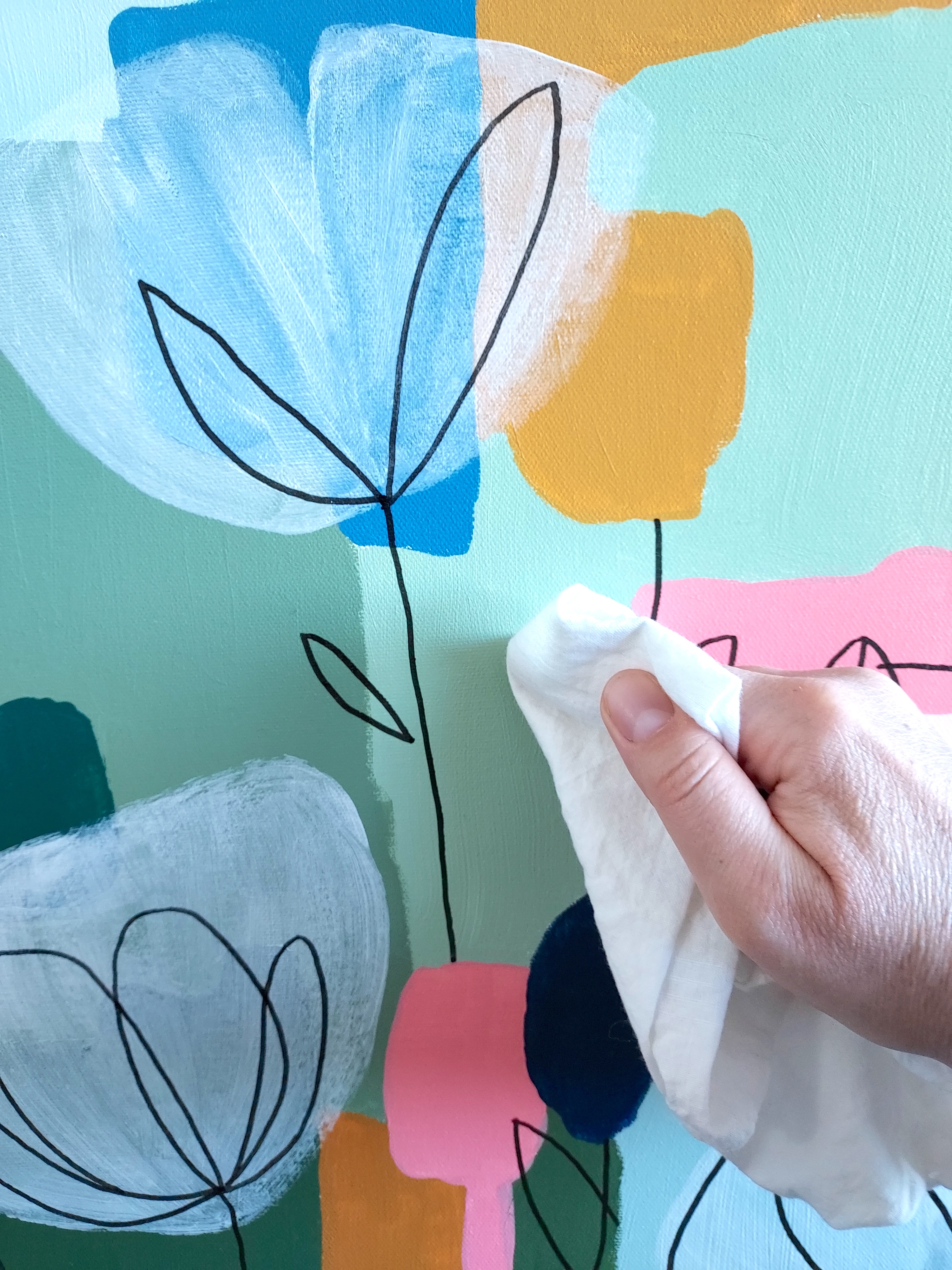
One of the greatest advantages of acrylic paint is its durability. Unlike oil paint, it dries quickly to form a flexible and resistant plastic film. However, to ensure the colors of your artwork retain their original brilliance for decades, a few simple steps and precautions are necessary.
Here is my artist's advice for taking care of your acquisitions.
1. The Ideal Location: Watch Out for Light and Heat
Although modern acrylic pigments are designed to resist UV rays, a painting remains sensitive to its environment:
-
Avoid Direct Sunlight: Prolonged exposure behind a glass window in full sun can, over time, fade certain colors.
-
Steer Clear of Heat Sources: Do not place your canvas directly above a radiator or an active fireplace. Heat can soften the paint layer, making it easier for dust to become embedded.
-
Humidity: Avoid overly damp rooms (such as a small, poorly ventilated bathroom) to prevent mold from appearing on the back of the wooden frame.
2. Regular Dusting: The Key to Brilliance
Dust is the number one enemy of contemporary art. To remove it without scratching the surface:
-
The Soft Brush: Use a wide brush with very soft bristles (such as a new makeup brush or a shaving brush) to gently dust the canvas from top to bottom.
-
What to Avoid: Never use stiff-fiber cloths or paper towels, which could snag on the paint's texture (impasto).
3. How to Clean a Stain or Stubborn Dirt?
If your painting has a stain (fingerprint, splash), don't panic. Acrylic can withstand very light cleaning with water:
-
Use a clean, white cotton cloth (to avoid color transfer).
-
Moisten it very slightly with lukewarm water (no soap or chemicals).
-
Gently dab the affected area without rubbing vigorously.
-
Dry immediately with another soft, dry cloth.
Important Note: Never use solvents, alcohol, or household cleaning products. These substances could dissolve the acrylic film and cause irreversible damage to the work.
In Summary
Taking care of a contemporary work of art requires little effort, but a lot of gentleness. By following these few rules, you will pass your painting down to future generations with the same chromatic intensity as the very first day.
I sell all my works varnished. The varnish plays two roles: it unifies the sheen of the canvas and creates a protective barrier against pollution and smoke.
Do you have a specific question about one of my works? Do not hesitate to contact me directly via the [Contact] tab.